

Family legacy
In the early 1960s in Lima, Peru my abuelita (grandma), Trinidad — most called her by her second name, Lola — with a third grade education decided she wanted a brighter future for her children and posterity. She dreamed of her children receiving a university education abroad. Lacking the resources, she chose entrepreneurship as the vehicle to pursue her dream by starting a carnicería (butcher shop).
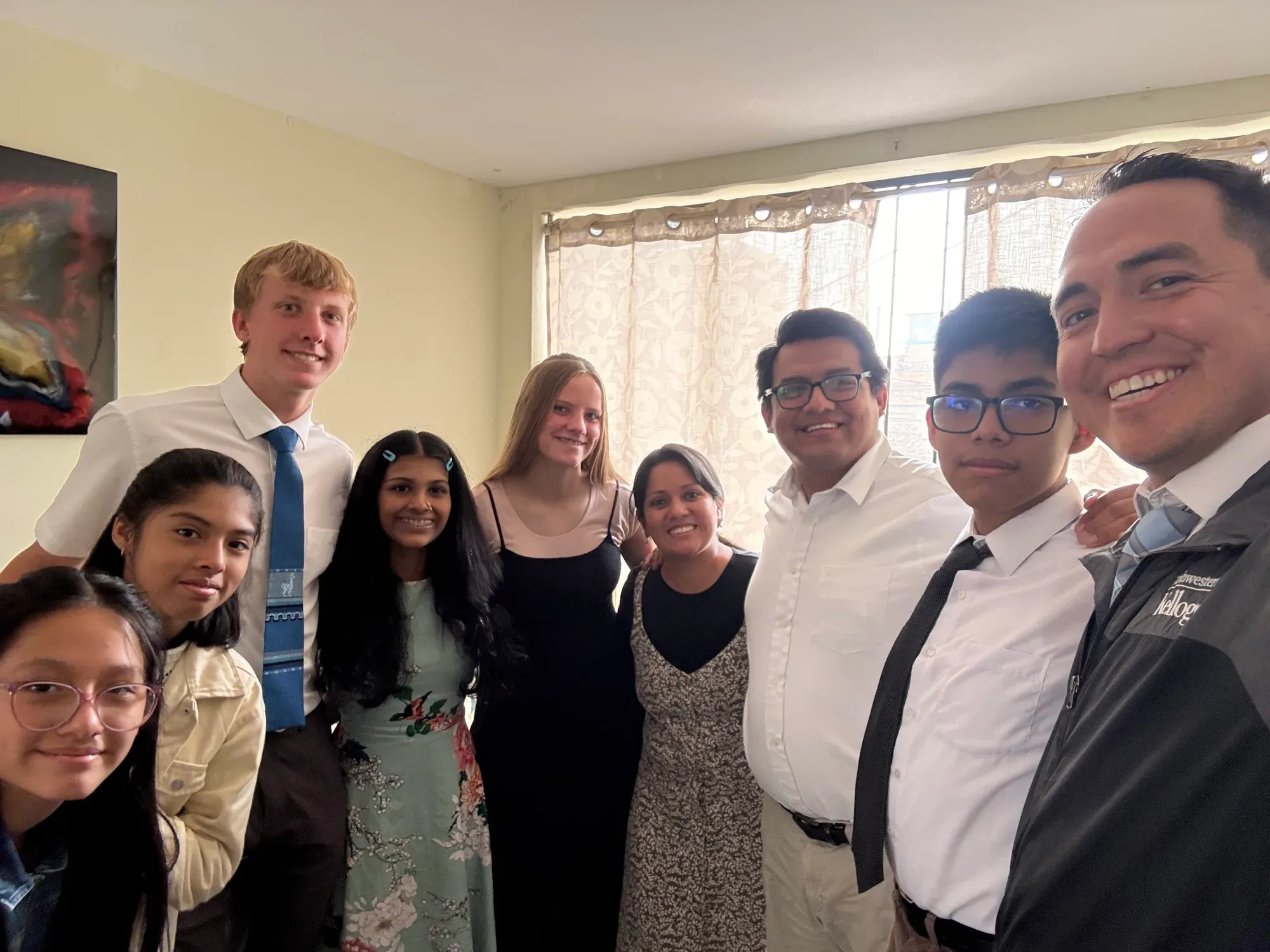
Every day she woke up well before dawn to prepare for the day and worked late. The journey was filled with hard work and sacrifice. Five years into her journey, two missionaries from The Church of Jesus Christ of Latter-day Saints came to her home and taught the family. My abuelita and her three children were baptized in 1965, finding greater faith in God and Jesus Christ. My abuelito joined several years later.
Nearly 10 years after starting her carnicería, my abuelita sent her youngest child, my mom (Lola), to the United States to follow my aunt and uncle at Brigham Young University. All three received their degrees. Just a generation later, my life and the opportunities before me are completely different from what my mom and grandparents had.
My story
At the age of 7, I lost my abuelita to cancer. A couple years later my abuelito sold all his belongings in Peru and moved in with us. He and I shared a bunk bed and although at first he didn't speak English and I didn't speak Spanish, he became one of my best friends. My love for him also fostered a love for my Peruvian roots and our family's legacy.
By the time I was in college, needing to decide my career path, I was deeply inspired by my abuelita's vision for the future. In my mind it boiled down to two things: the pursuit of the best education attainable, and entrepreneurship as the vehicle to achieve the dream.
My plan was to build a business toolkit through career experiences and education with the long term goal of one day owning and running a business that truly served people. My heart has continued to be drawn toward entrepreneurship as a vehicle for helping others.
Why youth?
The experiences I've had working with youth have been among the most fulfilling in my life. The summer following a mission for The Church of Jesus Christ of Latter-day Saints in southern Italy, I applied and was selected to be a lead counselor for a BYU summer program called SOAR (Summer of Academic Refinement). I and a female co-lead led 12 peers in planning a summer experience on BYU Provo campus in which 300 students of multicultural background would come to campus for a week to learn about the importance of higher education in a faith-based environment. I remain in contact with some of the students — I've even hired some — and am lifelong friends with several of the other counselors, including one who is now the clinical director in the company I run.
The following summer I was recruited by Weber State University to build from scratch a summer program that highlighted access to higher education to first generation students, students of ethnic minority background, and students of low socio-economic means. We brought students across the state of Utah to spend the night on campus and inspire them how education would be the key to a brighter future.
For the two years following my time as a full-time missionary, I was fortunate to teach at the Missionary Training Center in Provo, Utah. There my love for broadening the vision of young men and women as they prepare to leave for a new country in the spirit of faith, love, and service deepened yet again.
Throughout other church service or community opportunities — I currently coach three soccer teams, which I love — I find myself drawn toward the energy and hope for the future youth bring.
Why this trip?
In both high school and undergrad I always wanted to go on an international trip where I could travel with peers and help in a developing nation. I saw so many different options. Unfortunately, I was never able to participate in such a trip.
Two influential experiences shaped this one. While at a social impact investing conference as an intern in undergrad, I visited with a successful and seasoned partner at an investment firm. Despite having family from Peru, when I shared my hopes of being an investor in developing nations in Latin America, he gave feedback that was hard to swallow: given I was not a native speaker and didn't grow up in Latin America, I lacked linguistic skills and cultural competency relative to someone local. That reality check stung, but it was a moment of clarity.
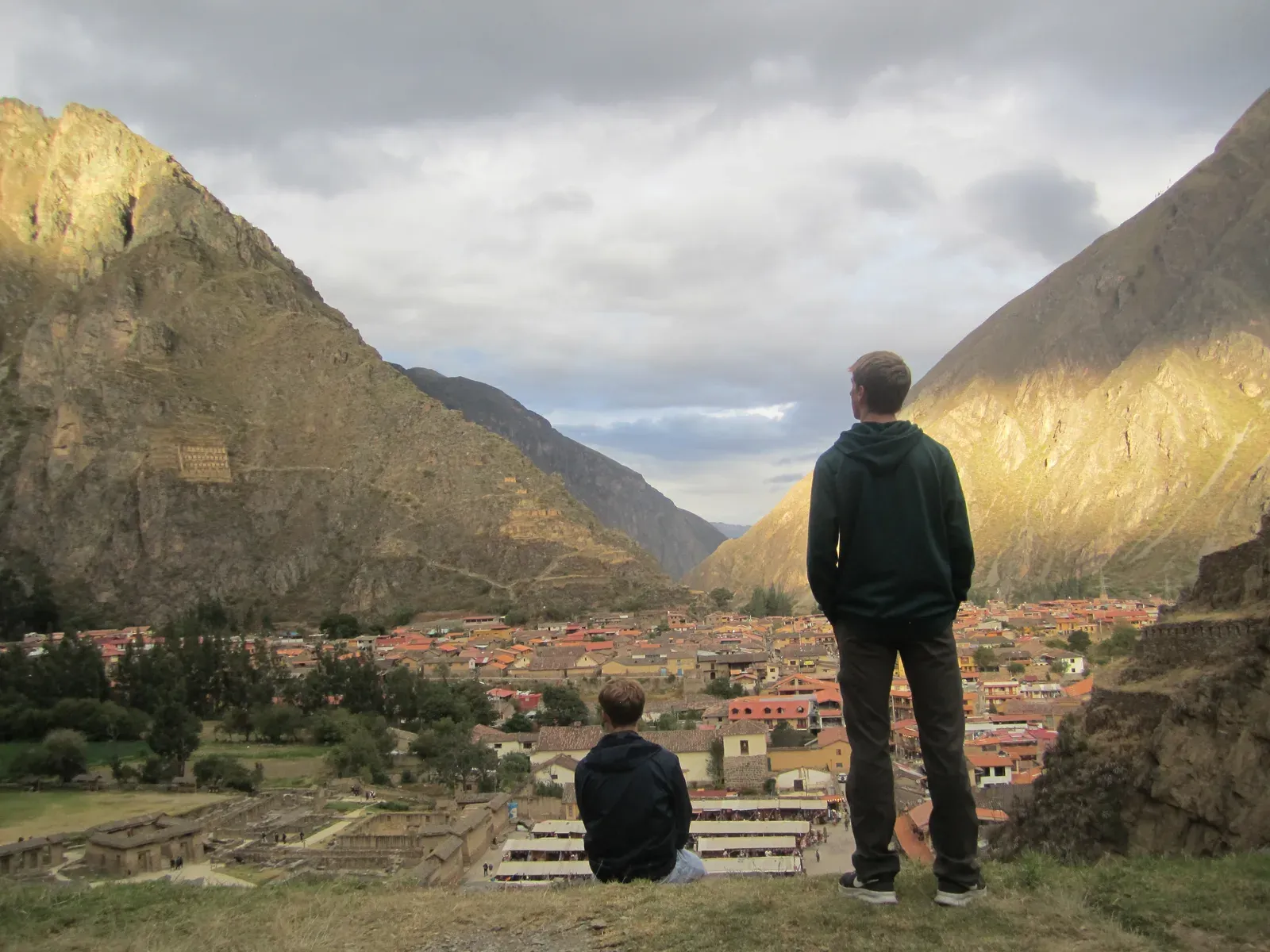
The first time I traveled to Peru — despite many previous failed attempts — was in my late 20s, the week before my MBA, with 24 classmates whom I met the day before departure. That trip changed my life. After a lifetime of second hand experiences about Peru, I was finally seeing first hand what it was like.
It was during that first trip to Peru in 2016 that I first had the idea for this trip. The idea became refined as I learned from friends that many top MBA programs send their students to developing nations to interact with entrepreneurs, build cultural competency, increase in first hand experiences what it means to be a global citizen, and seek to understand how local markets vary from those of the United States.
My question: could we provide a similar yet tailored and abbreviated experience to younger and less trained individuals all while still creating a trip of a lifetime with similar benefits? In the years since, I have planned trips for various groups to Peru, each time doing research for this youth trip and increasing my network of friends and entrepreneurs locally. I cannot wait to share it with those who travel with us.